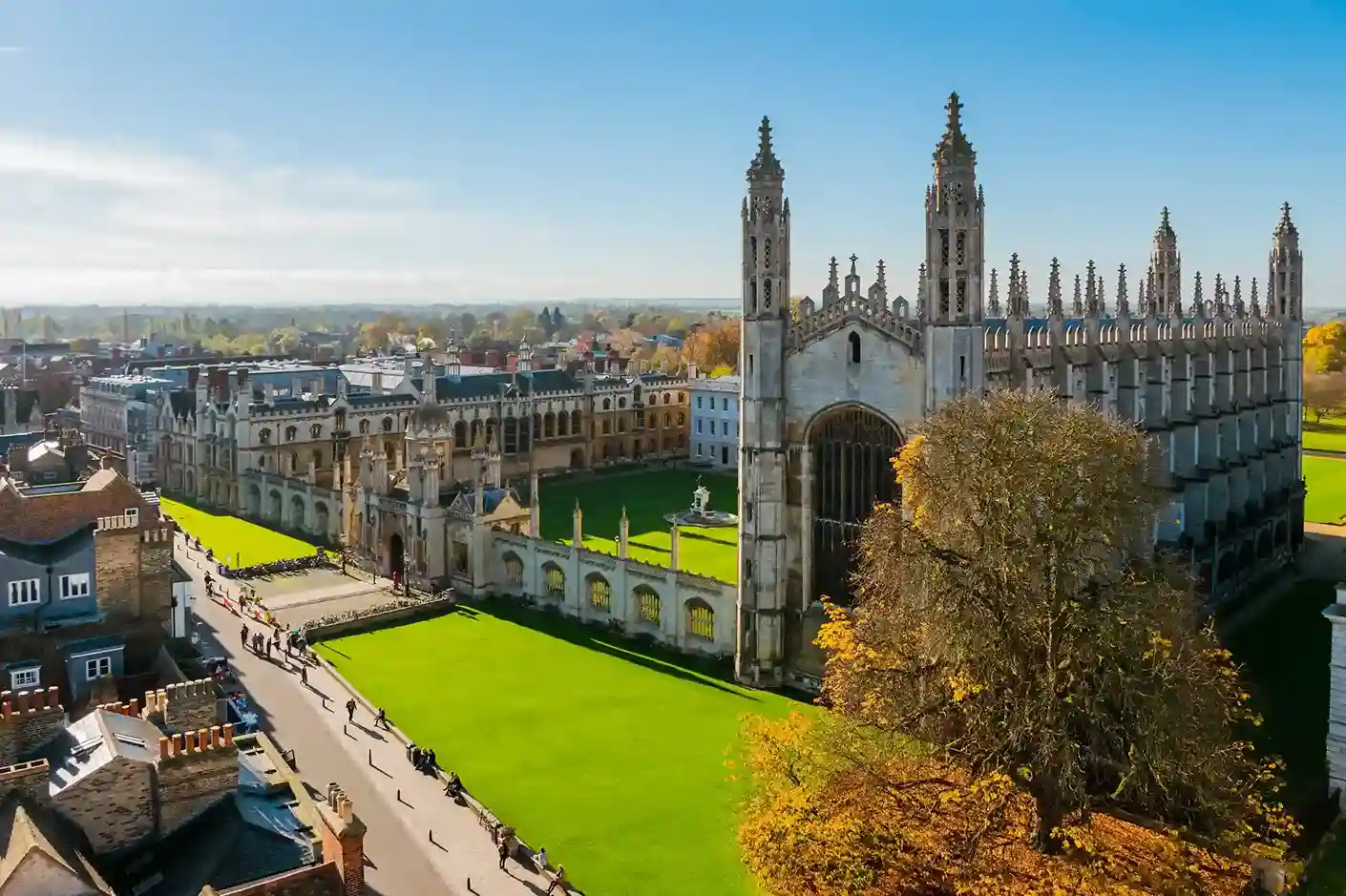
World-class education and multicultural student community attract study abroad aspirants to Germany. As per the reports, ∼4,02,000 students were enrolled at German universities for the academic year 2023-24, out of which 93,000 are international students. So, if you are planning to pursue your higher studies in Germany, here’s everything about the cost of living and education, and other exciting details.
Key Highlights
- Types of living expenses in Germany for Indian students
- Cost of education and cost of living in Germany for Indian students
- The living cost in Germany for international students in some popular German cities
- Strategies to manage the cost of living in Germany as a student

Types of living expenses in Germany for Indian students
The money required to cover some basic expenses to live peacefully in your preferred destination is referred to as the cost of living. As a student, you need to consider expenses like accommodation costs, food costs, travelling expenses, and other miscellaneous costs to get a fair estimate of the total living expenses in Germany.
Also Read: 5 essential documents to pursue higher education in Germany
Cost of education and cost of living in Germany for Indian students
Let’s take a look at the approximate cost of studying and living in Germany:
Tuition fees
Tuition fee is one of the most important elements of the total cost of education. The tuition fees of a master’s degree program will depend on factors like course choice, university, and the duration of the program.
| Type of university | Tuition fee (per annum) |
|---|---|
| Public universities | ∼INR 13,500 to ∼INR 1,35,000 |
| Private universities | ∼INR 1,35,000 to ∼INR 18,00,000 |
Apart from tuition fees, students should factor in the cost of learning devices, including laptops, study materials, notepads, etc. The cost of these learning devices may go up to ∼INR 1,00,000.
Accommodation cost
This is the second-biggest expense after tuition fees. Off-campus (university dormitories) and on-campus (student halls) are two accommodation choices offered to students.
| Type of accommodation | Rent (per month) |
|---|---|
| University dormitories | ∼INR 22,000 to ∼INR 45,000 |
| Private apartments | ∼INR 36,000 to ∼INR 72,000 |
Also Read: The best MBA colleges in Germany
Food expenses
The food expenses include the cost of groceries and meals.
| Expense type | Cost (per month) |
|---|---|
| Food and groceries | ∼INR 18,000 to ∼INR 36,000 |
Travelling expense
When visiting your host country, airfare remains the major travelling expense. Some other travel expenses include the cost incurred commuting between the off-campus accommodation and an academic institution, as well as exploring nearby areas.
| Expense Type | Monthly cost |
|---|---|
| Public transportation (buses/trains) | ∼INR 4,500 to ∼INR 7,000 |
Other living costs
Other living costs include utility bills (phone bills, internet bills), shopping and entertainment expenses, etc.
| Expense Type | Monthly cost |
|---|---|
| Utility bills (electricity, internet, and phone) | ∼INR 9,000 to ∼INR 13,500 |
| Shopping and entertainment | ∼INR 3,000 to ∼INR 8,500 |
Also Read: What students must know before pursuing PhD from Germany
Kindly note that these costs are indicative. Factors like the location and the standard of living may increase or decrease the overall cost of living in Germany.
The living cost in Germany for international students in some popular cities
Munich, Berlin, Frankfurt, Hamburg, and Cologne are some popular German cities that are student-friendly. Among them, Munich is the most expensive city to live in and enjoy. Let’s take a look at the monthly cost of living in these German cities:
| Cities | Monthly cost of living |
|---|---|
| Munich | ∼INR 1,17,000 to ∼INR 1,80,000 |
| Berlin | ∼INR 99,000 to ∼INR 1,58,000 |
| Frankfurt | ∼INR 99,000 to ∼INR 1,58,000 |
| Hamburg | ∼INR 90,000 to ∼INR 1,53,000 |
| Cologne | ∼INR 99,000 to ∼INR 1,48,000 |
Strategies to manage the cost of living in Germany as a student
Germany’s cost of living, compared to India’s, is much higher. However, students can still live comfortably on a budget by following these tips:
- Staying in a shared apartment will save a lot of accommodation costs.
- You can opt for student discounts offered at museums, restaurants, etc.
- Support your stay in Germany by considering part-time work. International students are allowed to work part-time for up to 20 hours per week during the course and full-time during holidays or breaks.
- Instead of eating out, cooking meals at home is a budget-friendly option.
Also Read: Part-time jobs in Germany international students must know
So, plan your academic journey to Germany by preparing for English language tests like the International English Language Testing System and ace them. Apply for a student visa for Germany after obtaining an offer of acceptance from a German university. If education inflation is troubling you, you can opt for a study loan. At Avanse Financial Services, we offer hyper-personalised study loans with multiple benefits. Feel free to get in touch with us to know about these benefits, the education loan rate of interest, and more.